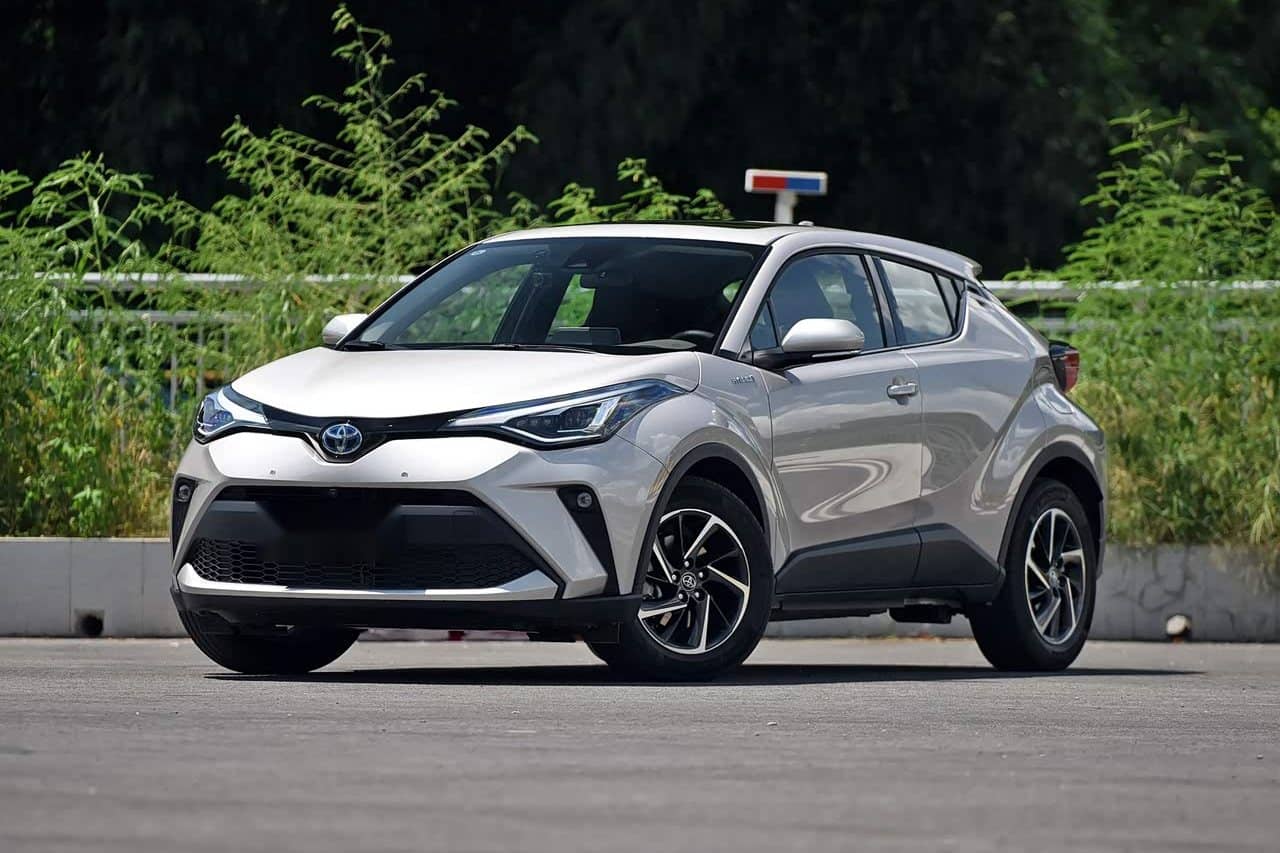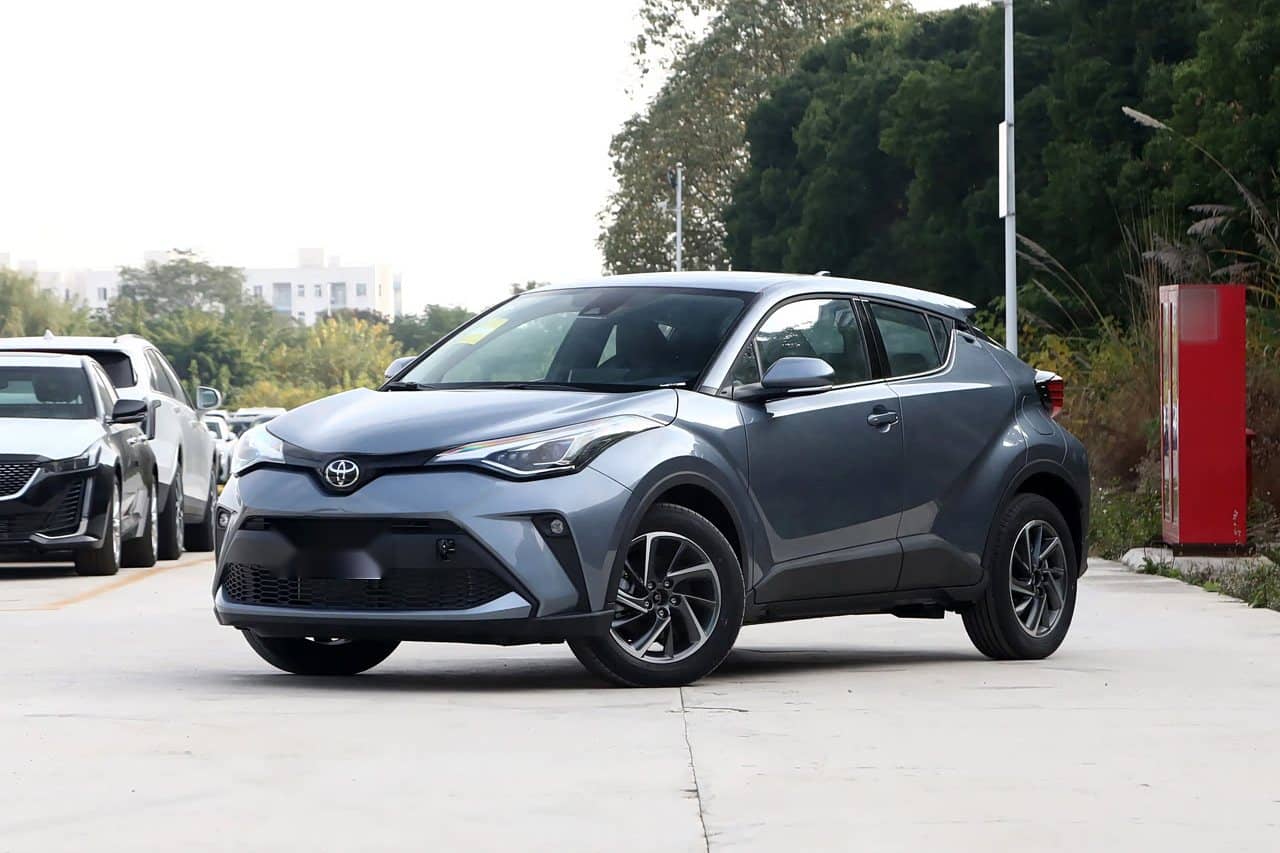
2023 Toyota C-HR 2.0L Petrol
2.0L naturally aspirated, 126 kW, 205 Nm and a 10.25-inch screen — the simplest C-HR to service anywhere.
- Power
- 126 kW
- Fuel economy
- 5.95 L/100km
- Seats
- 5
CIS
The China-market C-HR is left-hand drive and suits Russian roads. Imports must comply with the Eurasian Economic Union's vehicle safety regulation, and the recycling fee is a major part of the landed cost.
Russian buyers already know the C-HR, and a 2.0L naturally aspirated engine is easy to service. Vehicles from China usually travel by rail or truck through land border crossings, or by sea to the Far East, which keeps transit predictable.
Common routes are by rail or car-carrier truck through northern land crossings, or by sea to Vladivostok. We confirm the route, transit time and shipping fee per order.
Import rules change. These notes are a starting point, not legal advice — always confirm current requirements with the official authority and your customs broker before ordering.
Petrol models keep paperwork and servicing simple; hybrids suit urban fleets.
2.0L naturally aspirated, 126 kW, 205 Nm and a 10.25-inch screen — the simplest C-HR to service anywhere.
Entry-level C-HR with 126 kW 2.0L engine, CarPlay on all trims and an Elite trim for budget volume orders.
The final China-market C-HR hybrid: 135 kW self-charging system, 5.09 L/100 km WLTC and Toyota Safety Sense on every trim.
It is issued in Russia after conformity assessment, normally through your customs broker. We supply the vehicle documents they need.
Yes. The recycling fee and customs duties depend on the vehicle's age and engine size, so newer and older units can have very different landed costs.